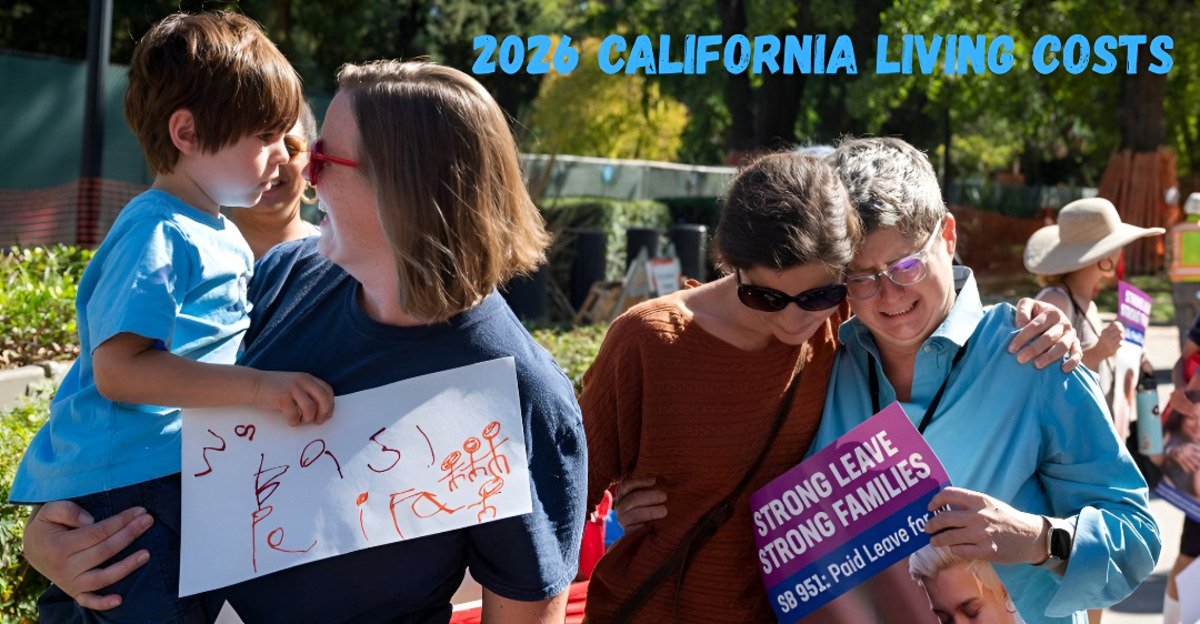
For millions of Americans, Love California is still the dream. The beaches, the weather, the tech jobs, the entertainment industry, and the feeling that “anything is possible” continue to attract people from across the country. But in 2026, that dream is becoming harder to afford than ever before.
The biggest problem is money.
Housing costs in many parts of the state have exploded again in 2026. Rent for a small apartment in major cities is now eating up huge portions of workers’ paychecks. Even middle-class Americans with stable jobs are struggling to save money. Buying a home feels almost impossible for many young families.
A software engineer working in Silicon Valley may earn over $150,000 a year, but after taxes, rent, insurance, childcare, and daily expenses, many still feel financially trapped. Teachers, delivery drivers, healthcare workers, restaurant employees, and construction workers are feeling even more pressure.
And yet, people still do not want to leave.
The state remains the center of major industries that shape the global economy. Artificial intelligence companies, movie studios, tech startups, and green energy businesses are still pouring billions of dollars into California. Many Americans believe the best opportunities are still there, especially in AI and technology.
In 2026, the AI boom is one of the biggest reasons people continue moving toward California despite the rising costs. Companies connected to artificial intelligence are hiring aggressively. Young workers believe one big tech opportunity could completely change their lives.
But there is another side to this story.
For every person landing a high-paying AI job, there are thousands of workers watching their cost of living rise faster than their salaries. Grocery bills are higher. Electricity bills are climbing. Insurance prices continue rising after years of climate-related disasters and wildfire damage. Gas prices remain among the highest in America.
The emotional impact is becoming impossible to ignore.
Parents are spending less time with their children because they are working longer hours. Young adults are delaying marriage and home ownership. Some people are leaving the state entirely, moving to places like Texas, Florida, or Arizona where homes are cheaper and taxes feel lower.
Still, many who leave California say they miss it deeply.
They miss the energy. The diversity. The feeling that culture, technology, and the future are all happening there first. California continues to dominate social media trends, startup culture, entertainment, and innovation in ways few places can match.
That emotional connection is powerful.
At the same time, homelessness and visible poverty remain major concerns in several cities. Residents say they are tired of seeing luxury buildings rise while ordinary workers struggle to survive nearby. The gap between wealthy tech workers and lower-income families feels wider than ever.
Small businesses are also under pressure.
Restaurant owners, shopkeepers, and local service providers are dealing with higher wages, rising rent, and more expensive supplies. Some businesses are surviving only because tourism and tech money continue flowing into the state.
California’s leaders say investments in housing projects, clean energy, and transportation will improve life over time. Supporters argue the state is building the economy of the future and that today’s pain could lead to long-term gains.